When we entered the corporate world, usually in our early 20’s, wild eyed and bushy tailed it seemed enticing, almost euphoric. We had envisioned a life of independence, free thinking and being spoilt for choice. The fear we had back then was thrilling, like riding a rollercoaster for the very first time without someone holding your hand.
From the first interview to the moment you sit down at your desk as a first time employee, life felt great and if you think back to that moment now, it genuinely was. The stresses of work life had not yet reared its ugly head and you were eager to prove yourself as an asset to the company and essentially the world.
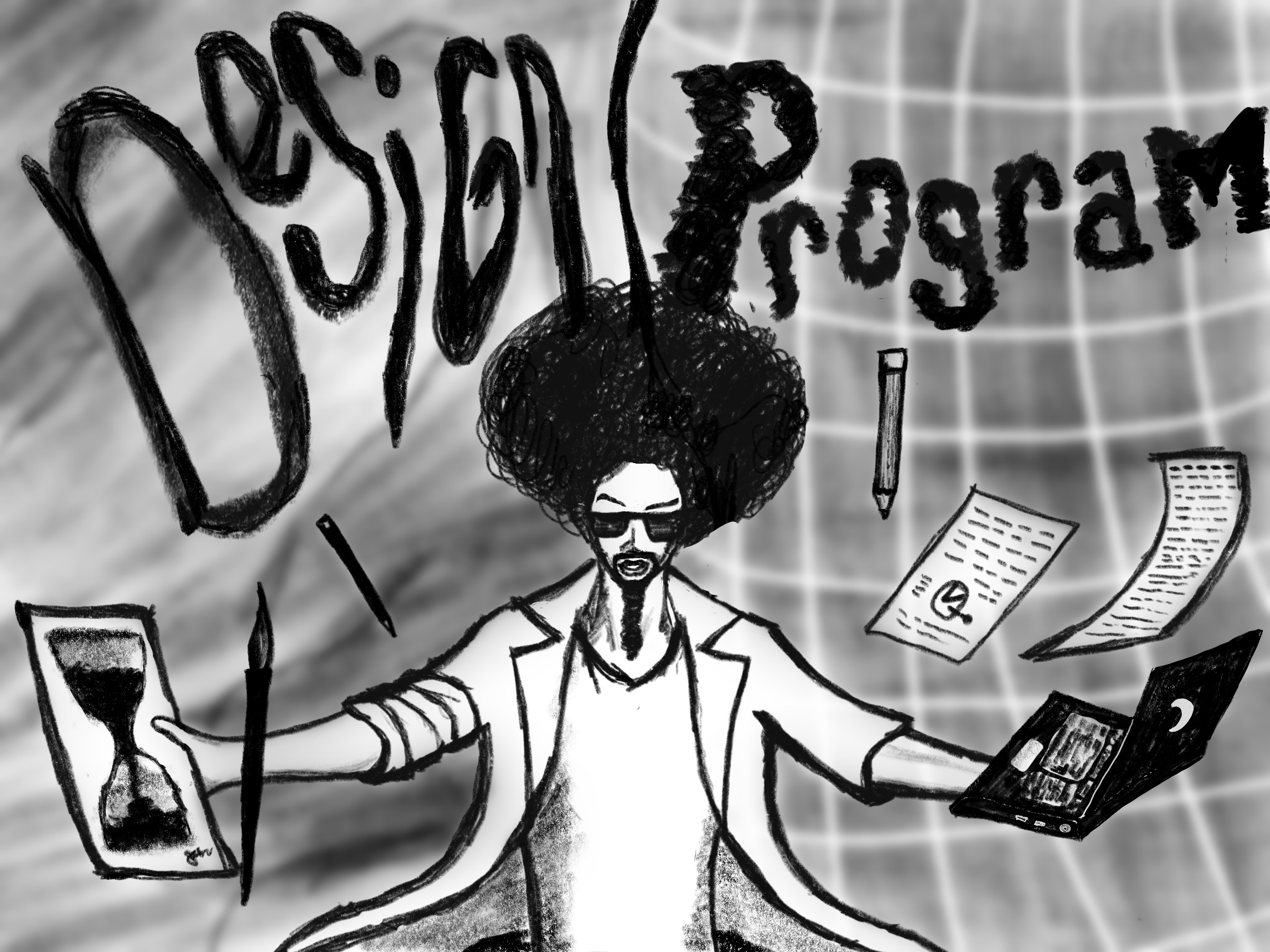
You hoped for a workplace that would afford you the space and opportunity to grow personally and in your chosen career without the stress, but for many that is simply not the case. For many people in the workforce, it’s the source of intense anxiety and many other mental incapacities. The stress of deadlines, multiple tasks, pressure or even office politics can take a toll on us and because we are trying our best to be a model employee, we lock away the anxiety and throw away the key.
Workplace anxiety has become so common and it’s affecting us in more ways than one so let us dig a little deeper into our anxious minds and delve into what our stresses are and how to manage them effectively.
Causes of workplace anxiety
Workload and deadlines
- The mere thought of a looming deadline or a heavy workload can cause anyone stress which manifests into anxiety of either falling behind or feeling like a failure.
Job Insecurity
- The fear of uncertainty in your career, whether it be losing your job or being demoted can trigger your anxiety.
Interpersonal conflicts
- Conflict in the workplace creates an unpleasant and negative environment which hinders growth and productivity. Many employees in these situations tend to struggle with anxiety, depression and overall poor mental health.
High expectations or unrealistic goals
- A workplace that runs on high demand, high expectations and goals creates employees with anxiety because the constant competition takes a toll on their mental state.
Work life balance
- Current time has everyone striving to maintain a balance without the risk of unemployment and it has become evident that to achieve this has become increasingly difficult. Many are struggling to attain this and sometimes never do and this leads to a decline in their mental health.
Effects of workplace anxiety
Workplace anxiety most times boils over into other aspects of our lives. Here are some examples of the effects of workplace anxiety:
Burnout
- Burnout is one the most common effects of workplace anxiety. The constant need to prove yourself manifests into becoming a workaholic.
Reduced Productivity
- On the flip side, workplace anxiety can cause you to become despondent. This leads to an array of sub symptoms like being unfocused, poor decision making which can cause diminished work performance.
Physical Symptoms
- This is the big one and can be dangerous. Anxiety is not just mental, it can manifest into physical symptoms such as headaches, digestive issues, chronic pain that we tend to dismiss.
A How to guide on managing workplace anxiety
Managing workplace anxiety can be a challenge for those who suffer from it. It is a part of our psyche that most of us are not adequately equipped to deal with. It requires a certain moxie to safely and efficiently tackle and below I will outline just a few methods to get you started.
Open communication
- Speak to your superiors or HR about what needs to be addressed in terms of your anxiety in the workplace. Most people with anxiety dread face to face discussions, so to start the conversation put your concerns in writing.
Set boundaries
- Set limits for yourself when it comes to balancing your work time and personal time. Take breaks when necessary, do not let work overflow after hours unless agreed upon and most importantly learn to say NO when necessary and not feel guilty for doing so.
Time Management
- Time management can be a big aid in managing your stress levels. There are many ways to make your workload work for you, you just need to take a moment and create a space that works in your favor.
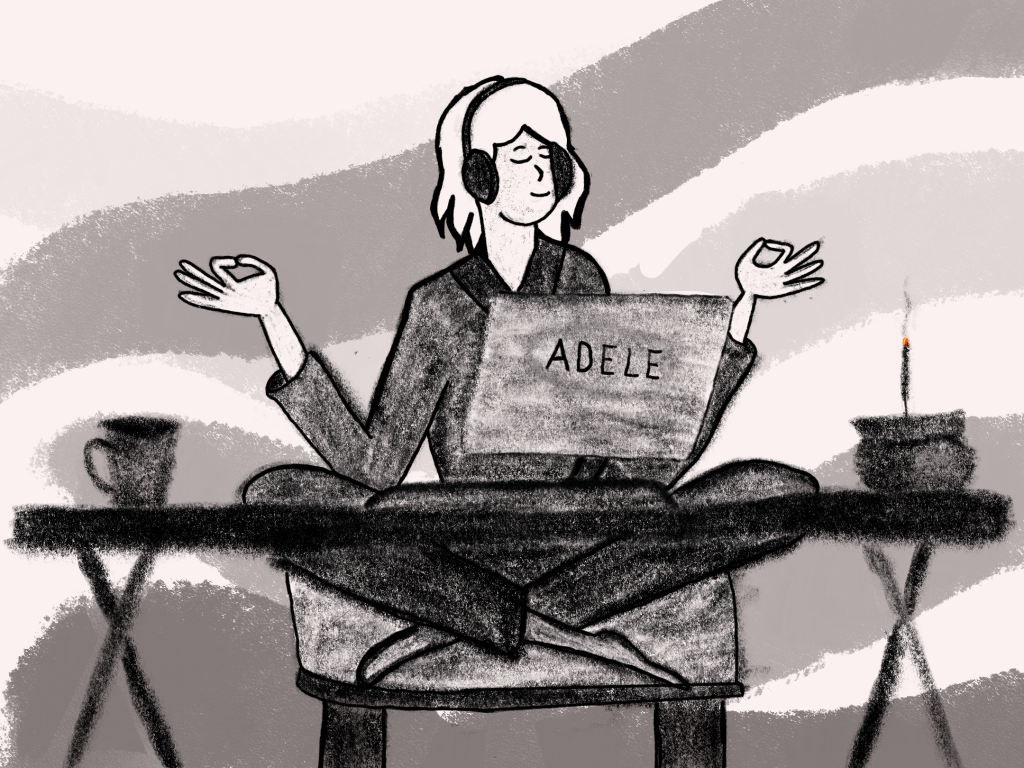
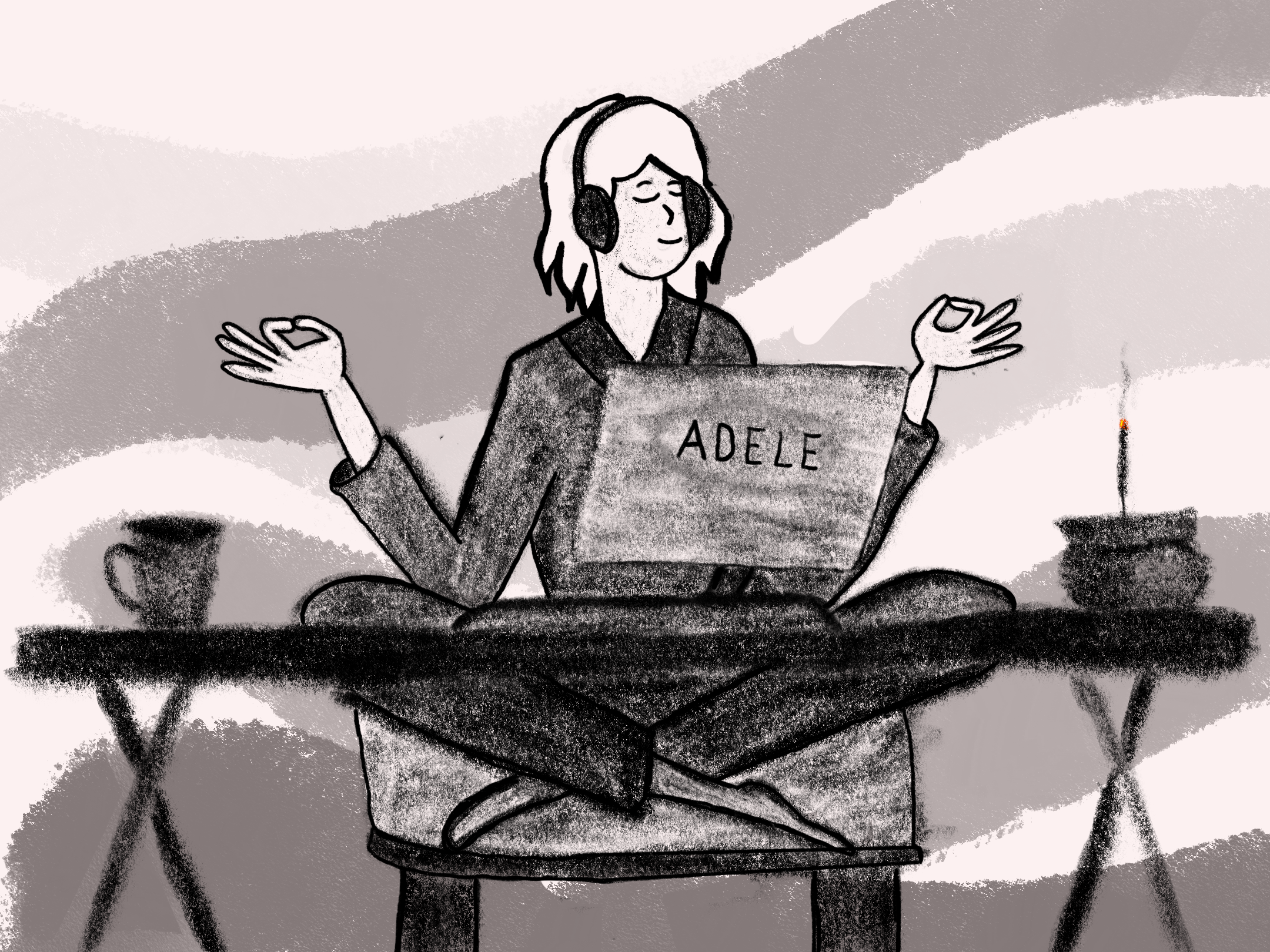
Relaxation Techniques
- There are so many tips and tricks to help regulate and refocus throughout the day. Mindfulness plays a big role in managing your stress levels and in the long run your mind, body and soul will thank you for it.
Seeking professional help
- When your mental health is at a point where you can longer handle it by yourself, consider seeking a professional to help you through it.
As someone who experiences anxiety, I know firsthand how it impacts almost every aspect of daily life. For many of us who live with anxiety, our brains have become hardwired to default into fight, flight, or freeze mode whenever a place, person, or situation feels unpredictable. It’s exhausting, and it can feel like we’re always bracing ourselves for the worst.
We often forget that the brain is the most powerful tool we possess as human beings. It’s capable of so much, yet anxiety has a way of hijacking our thinking. For those of us who tend to overanalyze everything and everyone, our minds are constantly zooming in on the details, looking for hidden dangers. In doing so, we sometimes get stuck in worst case scenario mode, losing sight of the possibility that things could turn out just fine or even great.
The truth is, anxiety is just a symptom of something deeper. It’s a sign that something in our mental or emotional landscape needs attention. Anxiety isn’t the root cause; it’s a signal, a call to look inward and find the source. Whether it’s past trauma, unresolved issues, or a mental health condition that needs addressing, the unpredictability of life, whether in our personal lives or careers can trigger those feelings. It’s not just those of us with anxiety who feel this way, uncertainty can make anyone feel uneasy, but for those of us with anxiety it’s like turning the dial up on all the emotions.
The challenge is recognizing that we don’t have to live in survival mode all the time. It takes work but with the right tools and support, we can start to retrain our brains to handle unpredictability in a healthier way.